

TL;DR
30-second summary
Robust quality assurance for travel applications is mandatory due to time-sensitive transactions and intense market competition. Developers must ensure core user flows—like booking, payment processing, and third-party integrations—function flawlessly. Comprehensive testing for security, performance, localization, and offline resilience prevents customer dissatisfaction and revenue loss. A dependable and seamless application experience is critical for building user trust and securing market share.
- Seamless core functionality flows: Test crucial steps like booking, login, and itinerary management to prevent errors and lost revenue.
- External integration reliability: Verify all third-party services, including payment gateways and booking APIs, for stability and consistency.
- Cross-border functional readiness: Validate localization, internationalization, and legal compliance for a globally accessible and trustworthy application.
- Resilience to connectivity issues: Ensure critical data syncs correctly and remains accessible when users are offline or face poor network conditions.
The beauty of travel apps is their ability to simplify world travel. The most effective travel apps can become your essential travel companion when used wisely. They help you save both time and money, while also easing the stress that often comes with traveling. Travel apps guide you to trustworthy ATMs during your journey, help you avoid touristy restaurants, notify you about flight deals, keep your itinerary in order, and help you find last-minute hotel accommodations.
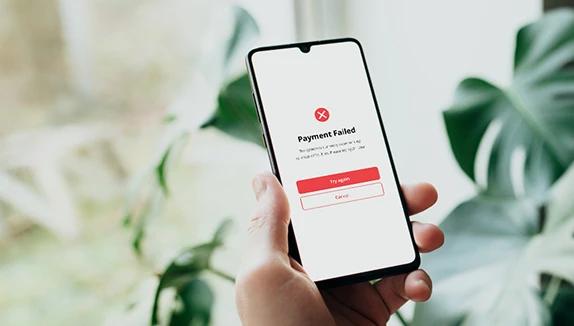
The travel booking industry is highly competitive, leading customers to compare options. More and more, people are making reservations on the go using mobile devices, so your app must function flawlessly from the start; otherwise, customers will quickly choose a competitor. Even a small glitch, like a crashed payment page or a delayed flight notification, can ruin an experience and lead to lost revenue for companies. Unlike some industries where delays may only cause minor inconvenience, travel is highly time-sensitive, so proper testing is not just important, but absolutely critical for modern travel brands.
For travelers, the difference between a frustrating trip and a seamless journey often comes down to the quality of the app in their pocket.
To make sure users have the best possible experience, it’s important to focus on excellent app quality.
Core functionalities and user flows
Testing core functionalities and user flows in travel apps is crucial because these apps handle sensitive transactions, personal data, and time-critical information. A single failure in booking, payment, or notifications can lead to lost revenue, frustrated users, and damage to the app’s reputation. Thorough testing ensures that users can reliably search, book, and manage their travel plans without encountering errors or security risks. It also guarantees a smooth and consistent experience across different devices and platforms, which is essential in a competitive market where users have many alternatives. Ultimately, robust testing builds user trust, encourages repeat usage, and helps the app stand out by delivering a seamless and dependable travel experience.
Core functionalities and user flows of travel apps to be included in the robust testing:
- User registration and login (including social sign-in)
- Search and booking (flights, hotels, car rentals, etc.)
- Payment processing
- Itinerary management
- Notifications and alerts
- Maps and navigation
- Reviews and ratings
- Customer support/chat
Integration with third-party services
Integrating with third-party services is a key aspect of building travel apps, as it enables features like booking, payments, maps, and real-time updates. Here’s how to approach integration effectively:
- Identify required third-party services: Determine which external services your app needs: hotel booking APIs, payment gateways, map and navigation providers, weather services, and translation tools.
- Evaluate and select providers: Research available providers for each service, considering factors like reliability, documentation quality, pricing, support, and global coverage. Choose those that best fit your app’s needs and user base.
- Obtain API access and credentials: Register with the chosen providers to obtain API keys, client IDs, or other necessary credentials. Securely store these credentials and never expose them in client-side code.
- Test integrations thoroughly: Test all integrated features under various scenarios, including successful responses, errors, and edge cases.
- Monitor and maintain integrations: Set up monitoring for API usage, performance, and errors.
- Ensure security and compliance: Protect user data during transmission and storage. Comply with relevant regulations (e.g., GDPR) when handling payments or personal information.

Localization and internationalization
When localizing and internationalizing travel apps, it’s important to ensure the app’s architecture supports multiple languages and regions. Translations should be accurate, contextually appropriate, and culturally relevant, ideally reviewed by native speakers or professional localization testers. The app must correctly adapt dates, times, currencies, and measurements to each locale, displaying these formats consistently throughout the interface.
Compliance with local regulations should be verified, and region-specific features like payment methods and address formats must function as intended. Thorough testing across all supported languages and regions is essential to catch layout issues, text overflows, or broken UI elements caused by language expansion or script direction. By carefully validating these aspects, the travel app can deliver a seamless, accessible, and compliant experience for users worldwide.
Performance and scalability
To test travel apps for performance and scalability, begin by simulating high user loads and peak traffic using load testing tools to assess how the app handles increased demand. Perform stress testing to push the app beyond its normal capacity and observe how it behaves under extreme conditions, including how it recovers from failures. Monitor key metrics such as server response times, database queries, memory usage, and error rates during these tests.
Regularly repeat these tests, especially after major updates or feature releases, to maintain a smooth and scalable user experience as the app grows.
Loadero, a cloud-based automated testing platform, fits naturally into this workflow by enabling large-scale end-to-end tests in real browsers—making it easier to evaluate how your travel app performs under realistic, high-load scenarios without adding extra complexity to your setup.
Security and data privacy
Travel apps handle sensitive personal and financial information that must be protected from unauthorized access and cyberattacks. A security breach can lead to identity theft, financial loss, and a loss of user trust, which can seriously damage the app’s reputation. Ensuring strong security also helps the app comply with data privacy laws and regulations, avoiding legal penalties and fines. To test travel apps for security and data privacy, make sure all personal and payment information is encrypted during storage and transmission. Check for security weaknesses by running vulnerability scans and penetration tests. Ensure users must log in securely, with strong passwords and, if possible, multi-factor authentication. Confirm that only authorized people and systems can access private data. Review how the app handles user consent, data storage, and deletion to meet privacy laws like GDPR. Protecting user data builds confidence and encourages people to continue using the app for their travel needs.
Usability and accessibility
A user-friendly and accessible app reduces frustration, increases satisfaction, and encourages more people to book and manage their travel through the platform. Testing for usability and accessibility ensures that all users, including those with disabilities, can easily navigate and use the app’s features. Meeting accessibility standards is not only a legal requirement in many regions but also demonstrates a commitment to inclusivity.
To test travel apps for usability and accessibility, start by evaluating how easy and intuitive the app is for users to navigate and complete common tasks, such as searching for and booking travel. Check that text is readable, buttons are easy to tap, and important information is clearly presented. Use accessibility testing tools to ensure the app works well with screen readers, supports keyboard navigation, and provides alternative text for images. Verify that color contrast, font sizes, and interactive elements meet accessibility standards like WCAG. Finally, test the app on different devices and screen sizes to ensure a consistent and inclusive experience for all users.

Push notifications and alerts
Notifications deliver critical, time-sensitive information to users such as flight updates, booking confirmations, reminders, and emergency alerts. If notifications fail to arrive, are delayed, or are unclear, users may miss important events or experience unnecessary stress, leading to dissatisfaction and loss of trust in the app. Proper testing ensures that notifications are delivered promptly, display correctly on different devices, and are relevant and actionable for users.
To test push notifications and alerts in travel apps, first ensure that notifications are triggered at the correct times for all relevant scenarios. Make sure notifications are clear, informative, and allow users to manage their preferences or opt out. Test deep linking and simulate edge cases, such as offline transitions or app updates, to confirm notifications work as expected in all situations.
Payment processing
Making sure payment processing works smoothly in travel apps is essential for a secure and hassle-free booking experience. It’s important to check that all payment methods function correctly and that the app handles both successful and failed transactions with clear feedback. Security features, such as encryption and fraud prevention, must be rigorously tested, along with scenarios like network failures or duplicate payments. Ensuring accurate receipts, refunds, and transaction records helps build user confidence and supports a trustworthy booking experience.
Data synchronization and offline support
Users often encounter poor or no internet connectivity while traveling. Travel apps should allow access to important information like bookings and itineraries, even when offline. It’s important to verify that any changes made offline are saved locally and properly synchronized with the server once the connection returns. The app should also handle data conflicts and provide clear feedback about connectivity status and offline capabilities. By ensuring reliable offline support and smooth data syncing, the app delivers a dependable experience for travelers in any situation.
Regulatory and legal compliance
To test for compliance, review how the app collects, stores, and processes user data, making sure it meets all relevant legal requirements. If the app doesn’t follow regulations like GDPR, it could face hefty fines, legal trouble, or even be banned from certain markets. To test for compliance, review how the app collects, stores, and processes user data, making sure it meets all relevant legal requirements. Check that users can easily give or withdraw consent, access their data, and request deletion if needed. Regularly update and audit the app’s processes to stay current with changing laws and maintain a safe, trustworthy platform for travelers.
Final thoughts
Knowing exactly what to test in travel apps is essential for delivering a smooth, secure, and enjoyable experience for users on the go. By thoroughly testing core functionalities, payment systems, security, and user experience, you help prevent issues that could disrupt someone’s trip. It’s also important to check for compliance with legal and regulatory standards, as well as accessibility and performance across different devices and conditions. Covering all these areas ensures the app is not only functional but also safe and inclusive for everyone. A well-tested travel app builds trust, encourages repeat use, and stands out in a highly competitive market!
FAQ
Most common questions
Why is testing payment processing crucial for travel apps?
It ensures security, handles successful and failed transactions, and maintains user confidence in the booking process.
What makes offline support essential for a travel app?
Travelers often lack reliable internet, requiring access to vital information like bookings and itineraries offline.
Which key areas should be checked during localization testing?
Verify language accuracy, currency formats, time zones, and compliance with specific regional regulatory standards.
Besides booking, what are the critical user flows to test?
Essential flows include user registration, itinerary management, map navigation, and customer support functionality.
Is your travel app ready for takeoff?
Don't let a single bug ground your user experience and revenue. Start a comprehensive quality assurance audit today to guarantee a five-star journey for every customer.