Robotics & Automation
Validate your humanoid robots and quadruped platforms for safety, reliability, and real-world performance. We test robots hands-on in our dedicated secure facility, covering everything from simulation and AI behavior to hardware, sensors, and production readiness.
Our approach
Rigorous, hands-on testing for robots and automated systems
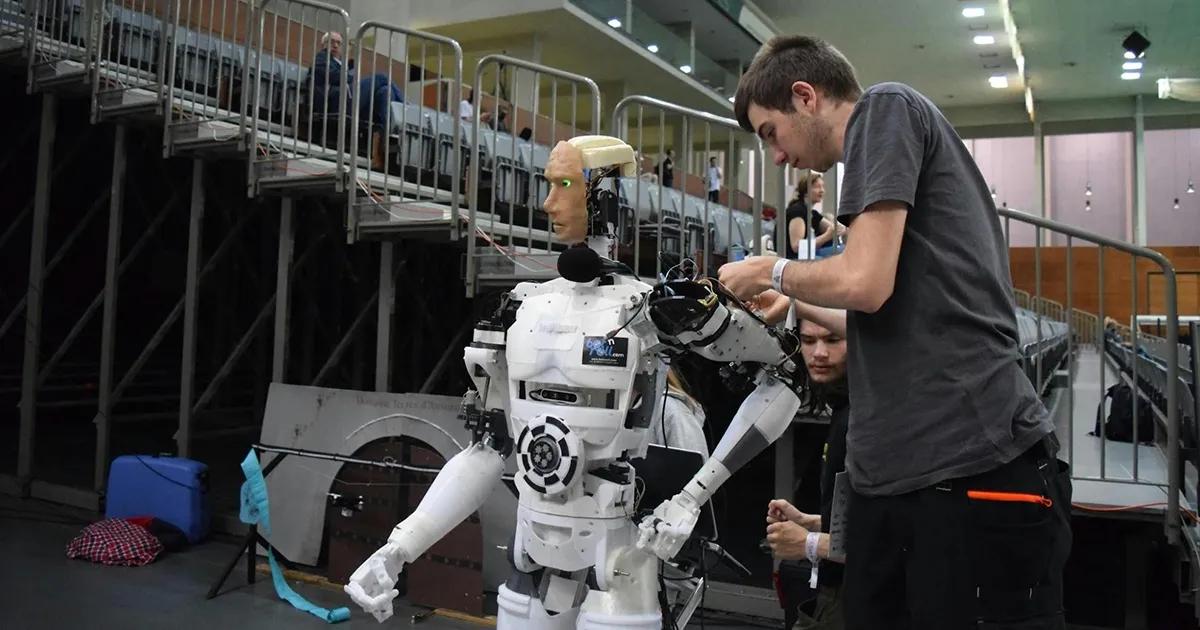
Humanoid robots, robot dogs, and automated systems are moving into factories, warehouses, hospitals, and public spaces at a remarkable pace, but building one is only half the challenge. TestDevLab QA engineers validate mechanics, sensors, AI systems, and safety behavior hands-on, in real conditions, inside a purpose-built secure facility. We work with humanoid platforms such as the Unitree H1-2, quadruped robot dogs, and industrial automation equipment, and our methodology is platform-independent. Whatever you are building or integrating, we can test it.
What we test
Whatever you're building, we can test it
From bipedal humanoids to four-legged robot dogs, production lines to custom-built prototypes, our testing approach adapts to what you've built. If it moves, senses, or operates autonomously, we can test it.
Humanoid robots
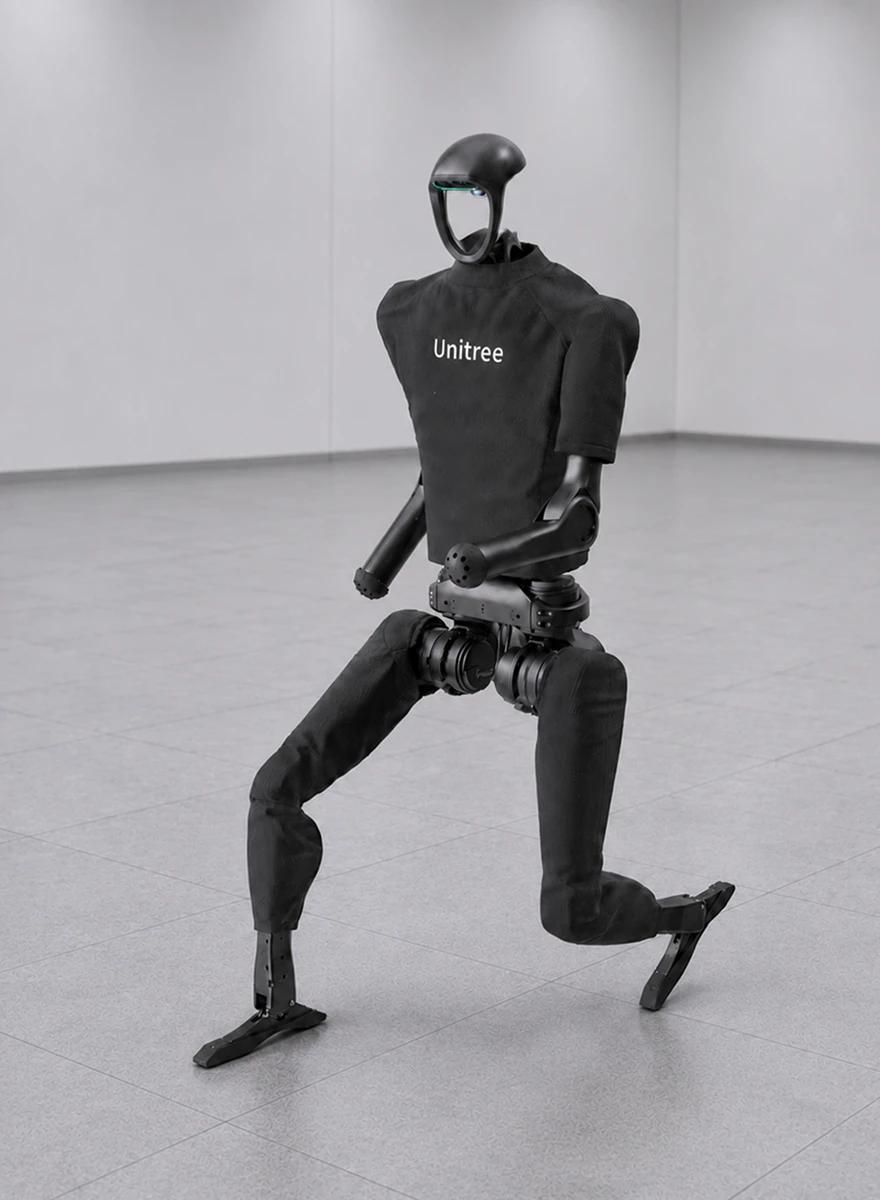
Bipedal platforms designed to work in human environments. We validate walking and balance stability, object manipulation, autonomous navigation, human-robot interaction, AI and LLM behavior, and safety systems, with an approach that applies to any humanoid platform regardless of manufacturer.
Quadruped robots (robot dogs)
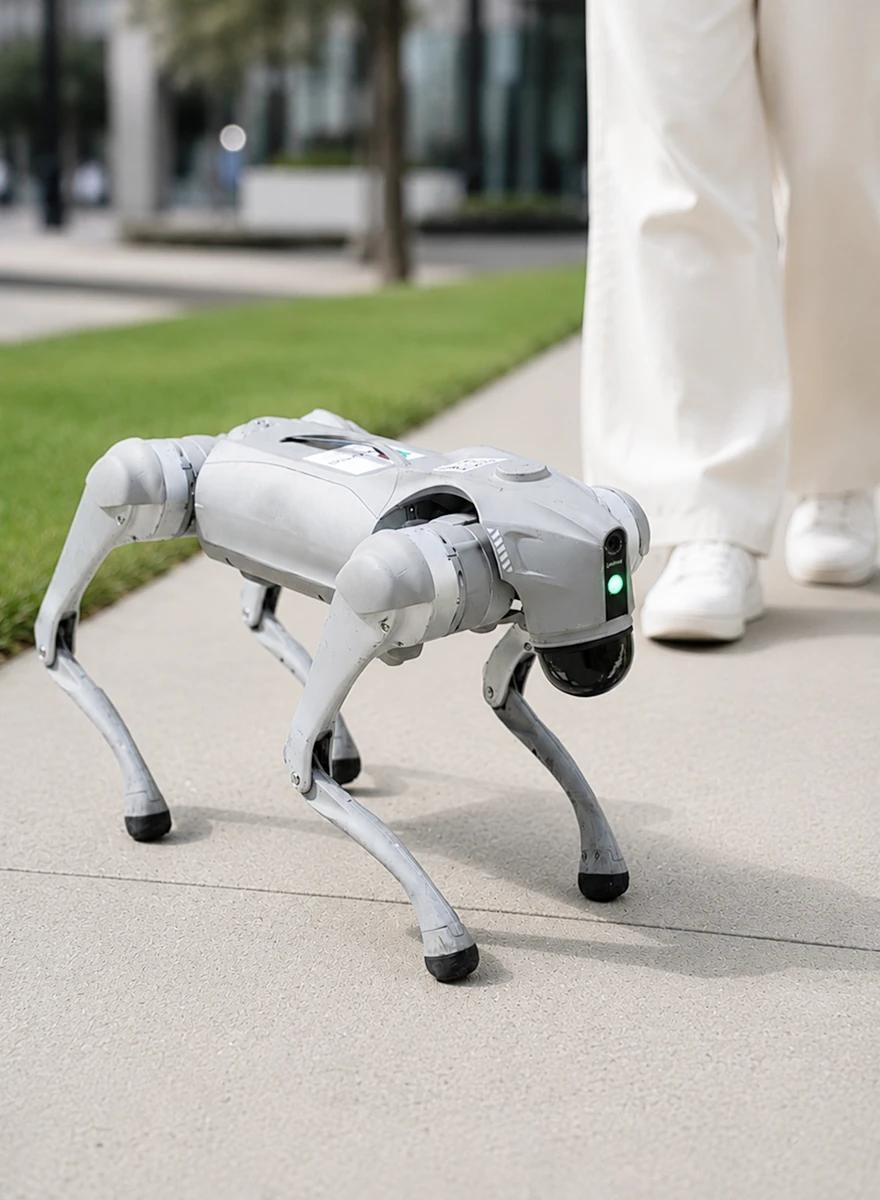
Four-legged platforms built for inspection, logistics, security, and research. We test terrain adaptation, gait stability, obstacle avoidance, payload behavior, sensor accuracy, remote operation, and autonomous mission execution in controlled and dynamic conditions.
Industrial and warehouse automation
Automated production lines, AGVs and AMRs (autonomous mobile robots), conveyor and sorting systems, robotic arms in manufacturing cells, and automated inspection stations. We validate control logic, sensor integration, safety interlocks, and performance under continuous operation.
We are not tied to any specific robot model or manufacturer. Our testing methodology, tooling, and safety procedures adapt to your platform, whether it is a commercially available robot, a custom-built prototype, or an early-stage research system. Get in touch to discuss your robot testing needs.
Capabilities
Full-stack robot validation
From simulation and AI behavior to hardware, sensors, and production readiness, we test every layer of your robot under one team, so nothing falls through the cracks between disciplines.
Before a single physical test run, we validate motion patterns, AI behaviors, navigation logic, and failure conditions in virtual environments using platforms such as Isaac Sim, MuJoCo, Gazebo, and Webots. Simulation reduces cost, accelerates development cycles, and eliminates the risk of hardware damage during early validation.
Modern robots are increasingly driven by AI and large language models. We test command interpretation, response accuracy, multi-step reasoning, latency, and hallucination prevention. Critically, we validate that a robot rejects unsafe instructions and continues operating safely even when its AI misunderstands or partially fails.
We validate actuators, motors, power systems, batteries, and embedded electronics under continuous motion and load. Sensor testing covers vision systems, LiDAR, IMUs, force and torque sensors, and audio systems, with a strong focus on calibration and synchronization. Even small delays between sensor inputs can compromise balance, navigation, and safety.
Real-world validation of what the robot actually does: walking and balance recovery, movement across different surfaces, object handling, tool usage, gesture and voice recognition, and safe operation alongside people in shared spaces.
Robots and automated production equipment deployed in factories, warehouses, and service environments must perform for hours, not minutes. We run continuous operation cycles, repetitive movement validation, joint wear analysis, thermal stress testing, and shock and vibration resistance to expose reliability risks before deployment.
Safety runs through every stage of our testing, not just the final gate. We validate collision avoidance, human detection, contact force reduction, emergency stop systems, fault tolerance, and safe-state transitions. Our testing supports compliance with ISO 10218, ISO 13482, IEC 61508, and ANSI/RIA robotics safety standards.
Before deployment, we verify functional behavior, sensor calibration, software configuration, firmware stability, electrical safety, and integration in the target environment, so your robot operates reliably at commercial scale from day one.
Why TestDevLab
One partner, every discipline your robot needs
Robots don't fail in just one discipline. That's why we cover all of them. Hardware, AI, sensors, safety, and performance, under a single team with hands-on robotics experience.
Hands-on experience with real robots
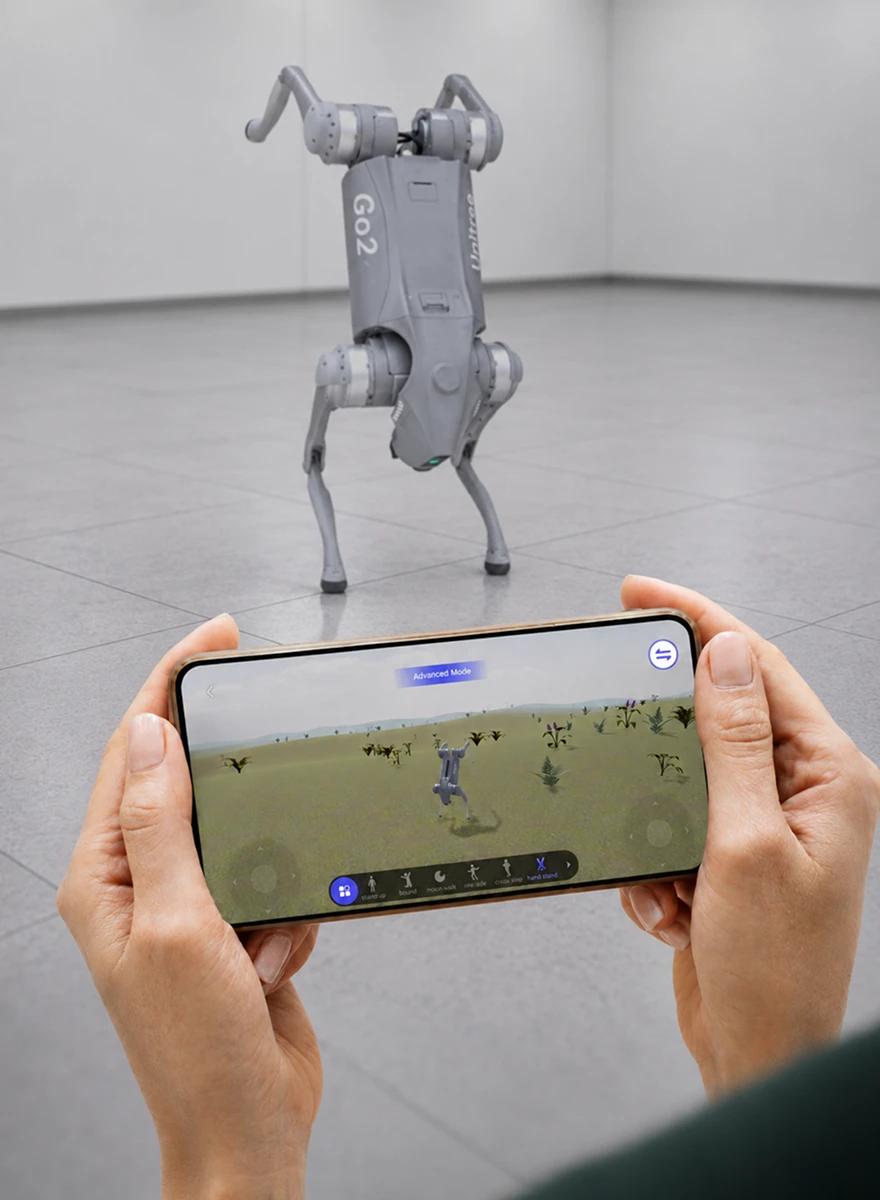
Our QA engineers test physical humanoid and quadruped robots daily. This is not theoretical expertise. We have published our methodology and lessons learned openly.
Cross-domain QA depth
Robot testing sits at the intersection of disciplines we have practiced for over a decade: hardware and IoT testing, AI and LLM validation, performance and endurance testing, audio and video quality analysis, and location accuracy testing. Few QA providers cover this full stack.
Safety-first methodology
Our testing is structured around recognized robotics safety standards, and safety validation runs continuously through every phase, from first investigation to production sign-off.
Platform independence
We test the robot you have, not the robot we prefer. Our methodology adapts to any humanoid or quadruped platform, commercial or custom-built.
Independent perspective
As a third-party QA partner, we give you an unbiased assessment of readiness, risks, and compliance gaps before your robot reaches customers, regulators, or the public.
Our process
How we work
From first investigation to production sign-off, our robot testing process is built to catch risks early and validate thoroughly at every stage.
- 1
Investigation and risk assessment
We review your robot architecture, sensor systems, AI capabilities, intended use cases, and operating environment, then identify critical functions and potential mechanical, electrical, and safety hazards.
- 2
Test strategy and planning
Based on the investigation, we build a validation plan covering simulation, hardware, physical, and safety testing, scoped to your timeline, budget, and compliance requirements.
- 3
Simulation-first validation
We validate motion, AI behavior, and failure scenarios in virtual environments before physical testing begins, protecting your hardware and accelerating iteration.
- 4
Physical testing in our secure facility
Hands-on validation of mobility, manipulation, sensors, endurance, human interaction, and safety systems in our isolated, purpose-built testing environment.
- 5
Reporting and production readiness
You receive detailed findings, reproducible defect reports, compliance gap analysis, and a clear readiness assessment before deployment.
Where the testing happens
A dedicated secure facility for robot testing
Testing robots safely requires more than open office space. Our office includes a specifically designed secure robot testing facility that is isolated from regular work areas, allowing us to run physical tests in a controlled and safe environment.
The facility enables us to:
- Run physical tests without risk to people outside the testing area
- Safely reproduce falls, collisions, disturbances, and emergency stop scenarios
- Test obstacle courses, terrain variations, and dynamic environment setups
- Conduct long-duration endurance runs under continuous supervision
- Keep client hardware and prototypes physically secured and access-controlled
Combined with our simulation-first approach, this means your robot is validated progressively: virtual environments first, then isolated physical testing, then controlled real-world scenarios. Risk is reduced at every step.
FAQ
Questions we hear often
We test humanoid robots and quadruped robots (robot dogs) across all stages of development, from early prototypes to production units. Our hands-on experience includes platforms such as the Unitree H1-2, but our methodology is platform-independent and adapts to any manufacturer or custom-built system.
Both. We follow a simulation-first approach to validate motion patterns, AI behavior, and failure conditions safely and cost-effectively, then move to physical testing in our dedicated secure facility, and finally to controlled real-world scenarios.
Our robot testing area is a specifically designed secure space, isolated from regular office operations. This allows us to safely run tests that would be risky elsewhere, including fall recovery, collision scenarios, emergency stops, and long endurance runs, while keeping client hardware access-controlled and protected.
Our testing supports compliance with ISO 10218 (industrial robot safety), ISO 13482 (personal care and service robots), IEC 61508 (functional safety), and ANSI/RIA robotics safety guidelines. We validate collision avoidance, emergency stop systems, fault tolerance, and safe-state behavior throughout the development lifecycle.
Yes. AI validation is one of our core strengths. We test command interpretation, response accuracy, reasoning, latency, hallucination prevention, and, most importantly, whether the robot rejects unsafe instructions and remains safe when its AI fails or misunderstands.
Yes. Alongside humanoid and quadruped robots, we test industrial automation systems, including AGVs, robotic arms, conveyor and sorting systems, covering control logic, sensor accuracy, and safety compliance.
As early as possible. Simulation testing can begin before physical hardware exists, and early risk assessment shapes better design decisions. The earlier validation starts, the cheaper defects are to fix and the faster you reach production readiness.
Related content
Dive deeper into robotics and automation testing


Ready to put your robot to the test?
From simulation and AI validation to physical testing in our secure robot testing facility, we help robotics teams prove their platforms are safe, reliable, and ready for the real world.