

Software development is more than just writing code. It is about building systems that are reliable, predictable, and behave as users expect. From a QA perspective, every new development trend brings opportunity and risk. One of the most talked about today is vibe coding.
Vibe coding describes a way of building software driven by intuition, speed, and experimentation. Developers start coding quickly, try ideas, and adjust based on what feels right. Thanks to modern frameworks and AI-assisted tools, this approach has become increasingly common.
We will look at vibe coding through QA eyes. We will explain what it is, why it has gained popularity, how it influences software quality, where it helps, where it fails, and how teams can use it without compromising reliability. The goal is not to judge vibe coding, but to understand when it becomes a friend to quality and when it becomes a foe.
TL;DR
30-second summary
Vibe coding—fast, intuition-driven development supercharged by AI tools—is reshaping how software gets built. For QA engineers, this creates both opportunity and risk. Features ship faster, but gaps in coverage, documentation, and edge-case testing can quietly undermine stability. The key is early QA involvement and risk-based thinking, not resistance to speed. Teams that embed lightweight quality checks into agile, vibe-driven workflows catch bugs sooner, reduce costly late-stage fixes, and build products users can actually trust.
- The rise of AI-assisted development is redefining how fast software ships. Understanding the forces behind vibe coding helps QA teams anticipate quality challenges before they escalate.
- Happy path testing leaves dangerous blind spots in fast-moving codebases. Speed-first development routinely skips edge cases, making deliberate risk-based testing a non-negotiable QA discipline.
- Early QA involvement transforms vibe coding from a liability into an asset. Joining conversations before requirements solidify lets QA catch structural issues while fixes are still cheap and fast.
- Lightweight testing strategies close the coverage gap without slowing delivery. Exploratory testing, targeted automation, and simple checklists can integrate into vibe workflows without adding friction.
- Balancing speed and structure is the defining QA challenge of AI-driven development. Knowing when to allow fast experimentation—and when to enforce quality gates—is the core skill modern QA demands.
What is vibe coding?
Vibe coding is an informal and lightweight development approach. It usually involves minimal documentation, few predefined rules, and little or no test strategy at the start. A developer begins with a rough idea and evolves the solution iteratively, guided by quick feedback rather than formal plans.
From a QA perspective, this changes how quality enters the product. Instead of working from clear requirements and acceptance criteria, QA often receive features that feel complete but are not clearly defined in terms of expected behavior, limits, or failure conditions.
Because decisions are made quickly and intuitively, vibe coding often leads to features appearing very fast. At the same time, requirements may shift without being formally updated, and testing may be manual, partial, or postponed.
For QA engineers, this creates uncertainty. When expectations are not written down, even basic questions become hard to answer. Is this behavior correct? Is it a bug, or just an undefined case?
Another common pattern is a strong focus on the happy path. Developers usually verify the most obvious scenario. If it works, they move on and forget it. Unfortunately edge cases, error handling, and unexpected user behavior often receive less attention at this stage.
One example can be a login feature. A developer builds the flow, tests it once with valid credentials, and considers it finished. Later, QA uncovers issues such as incorrect password handling, multiple submissions, or backend timeouts. These gaps are rarely caused by carelessness. They are a natural outcome of prioritizing speed over structured testing.
In vibe coding, quality responsibility shifts. Instead of being built in through requirements and early test planning, quality depends more on exploration, risk analysis, and communication. This makes early QA involvement essential, even while the product is still growing.
Why is vibe coding becoming so popular?

Vibe coding did not appear by accident. Several industry changes made it possible. Modern development tools remove much of the setup and configuration work, allowing developers to build and deploy working features in a very short time. AI tools accelerate this even further by generating code, tests, and suggestions almost instantly, that’s a big part of what makes the “vibe” possible. In fact, recent surveys show that around 84 % of developers already use AI coding assistants, and in some workflows, up to 41 % of code is AI-generated. These numbers illustrate how widely the tools that enable vibe coding have been adopted.
And the speed at which vibe coding is accelerating is drastic. Leading engineers at Anthropic and OpenAI have reported that AI now generates 100% of their personal code output. Anthropic's head of Claude Code went over two months without writing a single line manually.
Outside the frontier labs, the figures are lower but still significant. Microsoft and Salesforce have reported approximately 30% AI-generated code, and a recent study in the journal Science found that around 29% of GitHub Python functions in the US are now AI-written.
Looking at this as a QA engineer, this speed is like a stick with two ends. Faster development means quicker feedback, but it also means defects can be introduced and spread just as fast. Business pressure compounds this: teams are often expected to deliver features quickly, and in that environment testing and quality checks may be viewed as something to add later. Many developers also prefer learning by experimenting, which is not inherently bad, but it makes vibe coding feel natural, even though robust quality practices may be delayed.
How does vibe coding affect software quality?
Vibe coding has a clear and visible impact on software quality, and also leaves some trails for other QAs. On the positive side, fast feedback loops help catch obvious functional issues early. Developers can see what breaks and fix it immediately, while the context is still fresh. This can reduce simple defects and improve developer understanding of the feature at an early stage.
This speed can also improve teamwork. When QA is involved early, issues are discussed while the feature is still small and flexible. Fixes are usually less cheaper and there is less resistance to change because the solution is not yet considered "finished." In this sense, vibe coding can support faster learning for both developers and QA.
However, intuition alone does not always expose deeper issues. Edge cases, negative scenarios, performance limits, security concerns, and failure handling are easy to miss. These problems usually require deliberate testing and a mindset focused on risk rather than increasing speed.
A feature may look stable during quick happy path checks but fail when inputs are invalid, traffic increases, or external dependencies behave unexpectedly. In many cases, these failures are not immediately visible and only appear under real world conditions and usually not in the right time and place.
Without some level of structured testing, these issues tend to surface late in the development cycle, sometimes directly in production. When this happens, testing shifts from prevention to damage control. Bugs become harder to reproduce, fixes take longer, and confidence in releases decreases.
This is why vibe coding needs to be balanced. Fast feedback is valuable, but without intentional quality checks, it can create a false sense of stability and go down at some point.
Benefits of vibe coding from a QA view
Vibe coding doesn’t automatically mean poor quality the first time. It encourages early validation. Teams can quickly confirm whether a feature or idea is worth further investment before spending time on full test coverage or automation.
It also aligns well with exploratory testing. QA engineers can test features while they are still changing, providing fast and practical feedback. In small teams, close collaboration between developers and QA makes vibe coding safer, because problems are found through conversation.
Risks and quality gaps
The biggest QA risk in vibe coding is incomplete coverage. When testing is informal, many scenarios remain untested which leads to issues in future. Automated tests may be skipped because they are perceived as slowing things down. As a result, regression issues become common. When code changes frequently and tests are missing, existing functionality can break without anyone noticing.
There is also a documentation gap. Without clear requirements, QA engineers may struggle to define what correct behavior actually means. Over time, this leads to unstable releases, last minute fixes, and a loss of trust from users.
Vibe coding vs. structured quality practices

Traditional QA and engineering focus on preventing problems. Clear requirements, test cases, automation, and reviews exist to reduce risk before issues reach users and prompt them to submit feedback about a real problem.
Vibe coding focuses on discovery. It helps teams learn quickly, but it does not protect them from long term quality problems on its own. Strong teams combine both approaches. They allow fast experimentation early, then introduce quality gates as features stabilize. From a QA view, this means moving from heavy testing upfront to smart testing at the right time.
How QA can work with vibe coding
QA teams don’t need to shut down vibe coding. They just need to keep it from going off the rails. Early involvement is crucial. QA engineers should join discussions even when requirements are unclear. Asking simple questions early often reveals hidden bug parties.
Lightweight testing also helps catch issues early without slowing the team down. Exploratory testing, checklists, and basic automated tests can be introduced without slowing development. Risk based thinking is key. You don’t need to test everything on day one, just start with the stuff that can really break things.
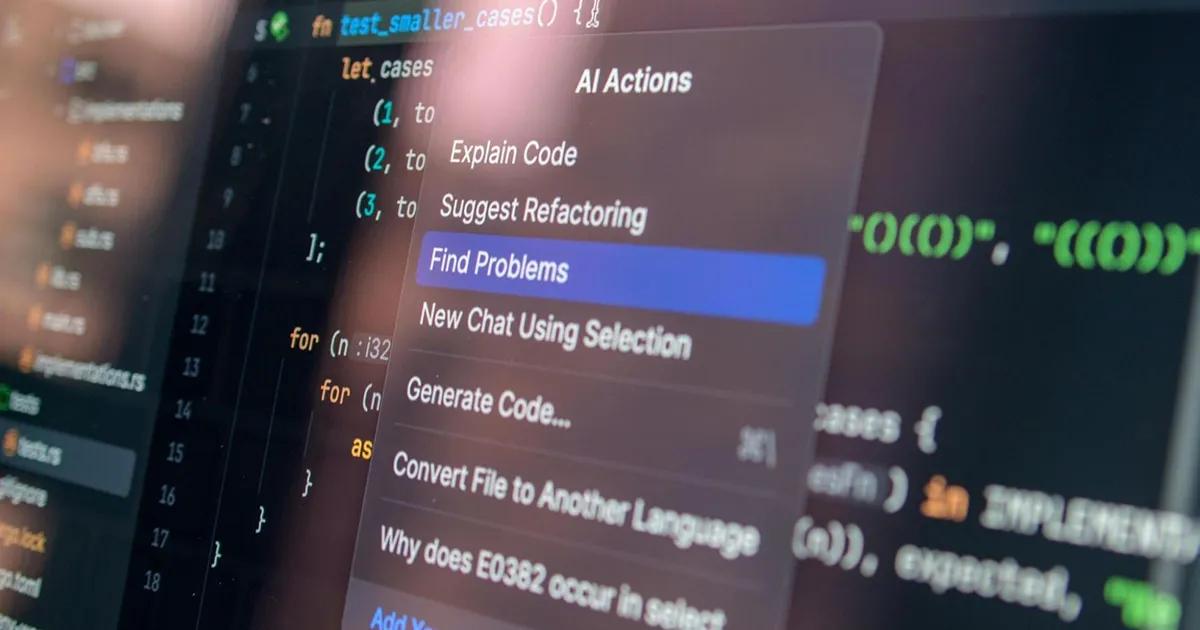
AI tools can support QA, but they need to be handled carefully. Generated tests still require review. AI can speed up execution, but it doesn’t yet understand business risk, so don’t let it run the company.
Simple example from a QA perspective
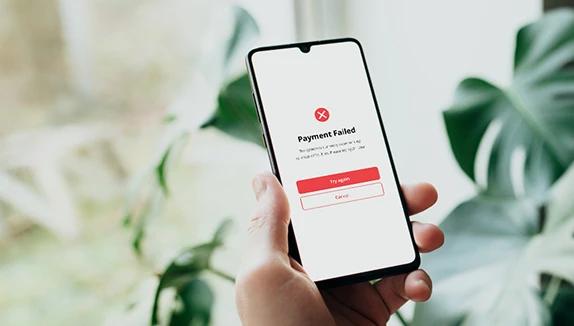
Imagine a team building a payment feature using vibe coding. This already sounds like a risky idea. The developer implements the happy path quickly. Payments work in basic testing. The feature feels complete… until a QA engineer asks a few simple, targeted questions. What happens if the payment service is unavailable? What if the user clicks twice? What if the network is slow?
These questions lead to small design changes and a few targeted automated tests. Development remains fast, but the feature becomes significantly safer. This is vibe coding supported by QA thinking:
Fast development + targeted quality questions + lightweight tests = speed without the hidden risk.
When does vibe coding work and when does it fail?
Vibe coding works best when speed and learning matter more than long-term stability. During early experimentation, when a product is still taking shape and requirements are expected to change, the cost of mistakes is low and fast feedback is valuable. In small teams with close collaboration, risks are easier to manage, basically, it’s the “move fast and don’t break the universe” phase.
Problems arise when vibe coding is applied to systems that demand reliability. In critical products with many users or sensitive data, informal testing and intuition are not enough. As systems grow, small changes can have a wide impact.
Vibe coding also fails when testing is delayed too long. The longer quality checks are postponed, the harder and more expensive fixes become. QA helps spot when it’s time to slow down and add structure, before the code turns into a bug zoo.
Vibe coding and software quality: The verdict
From a QA perspective, vibe coding is neither good nor bad by default. It helps teams move fast and learn quickly, but it can also hide quality problems until it’s too late. Bugs, regressions, and unstable releases are common outcomes of unchecked vibe coding.
The best results come from balance. Fast development supported by smart, risk-based testing, early QA involvement, and a team culture that treats reliability as a shared responsibility rather than a final checkpoint. Essentially, vibe coding becomes a friend when QA is part of the process, and a foe when quality is left behind.
The question quality assurance engineers face is not how to stop vibe coding. It’s how to test smarter within it. The answer lies in focusing on what matters most: critical paths, user impact, and failure modes. Not more documentation or a heavier process, but smarter coverage, at the right time.
FAQ
Most common questions
What is vibe coding and why does it matter for QA?
Vibe coding is informal, speed-driven development guided by intuition and AI tools. It matters because it shifts when and how quality enters the product.
What are the biggest quality risks of vibe coding?
Incomplete test coverage, missing edge cases, undocumented requirements, and regressions introduced by fast, frequent code changes.
How can QA teams adapt to vibe coding without slowing teams down?
By joining early, asking targeted questions, using exploratory testing, and applying risk-based thinking instead of exhaustive upfront test planning.
When does vibe coding work well and when does it fail?
It works in early-stage experimentation with small teams. It fails in complex, high-reliability systems where informal testing isn't sufficient.
Can AI-generated code be trusted without additional QA review?
No. AI accelerates code output but doesn't understand business risk. Human QA review of generated tests and logic remains essential.
Is your QA process keeping pace with AI-powered development?
Don't let speed outrun quality. Discover how embedding smart, risk-based testing into your vibe coding workflow protects your product and your users before problems reach production.